Virtual Waitlist: Let Guests Wait From Their Car (And Love It)
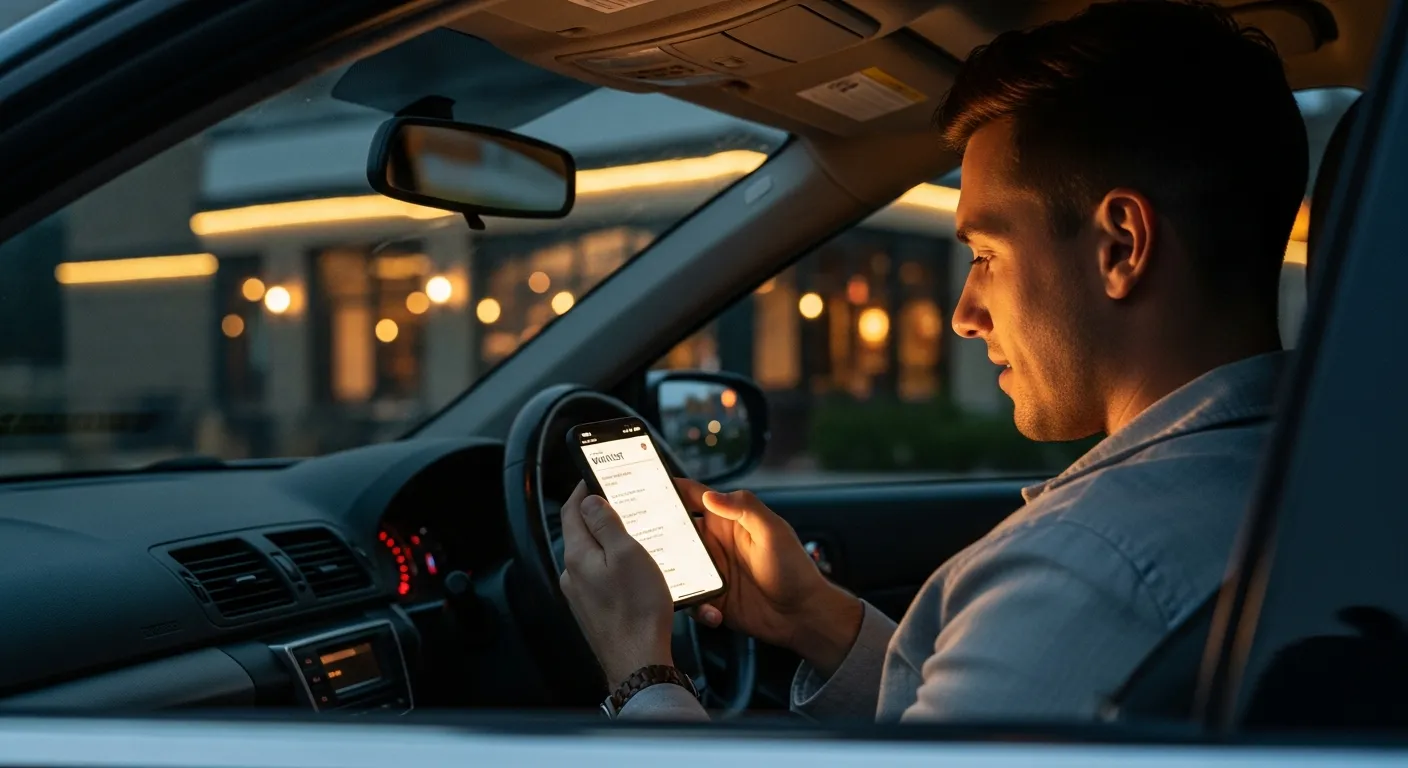
The Virtual Waitlist Concept
Traditional waitlists require guests to be physically present to join. Virtual waitlists flip this: guests add themselves from their phone — via Google Maps, your website, or a direct link — before they even leave their house. They drive to the restaurant when their estimated wait is almost up, arriving just in time for their table.
This isn't science fiction — it's the current reality at restaurants. Google Reserve now supports virtual waitlist joining, and POS platforms like KwickOS offer a shareable waitlist link that works from any browser. The guest experience transforms from 'show up, wait 30 minutes in a crowded lobby' to 'join from home, arrive at the perfect time.'
Why Guests Love It
Comfort: waiting in your car with the AC, listening to music or finishing a conversation, is infinitely more comfortable than standing in a noisy lobby. Families with young children especially appreciate not having to manage restless kids in a packed waiting area.
Productivity: a 25-minute wait at the restaurant is dead time. A 25-minute virtual wait at home is time to finish getting ready, answer emails, or play with the kids. The actual wait time is identical but the perceived burden is dramatically lower.
Safety and space: post-pandemic, many guests still prefer avoiding crowded indoor spaces. Virtual waitlists accommodate this preference naturally. And for the restaurant, fewer bodies in the lobby means a calmer, more welcoming entrance experience for everyone.
Setting Up Virtual Waitlist
Option 1: Google waitlist integration. If you use Yelp Guest Manager or a compatible POS, enable the 'Join Waitlist' button on your Google Business profile. Guests searching for your restaurant on Google or Maps can join with one tap. This is the highest-visibility option because it reaches guests at the moment they're deciding where to eat.
Option 2: Website/social media link. Generate a waitlist joining link from your POS or waitlist system and add it to your website header, Instagram bio, and Google Business description. Guests click the link, enter their name, phone, and party size, and they're in the queue.
Option 3: QR code at the door. For guests who arrive physically but want to wait in their car, post a QR code at your entrance that adds them to the waitlist. This captures the benefits of virtual waiting without requiring guests to know about the feature in advance.
Managing Virtual Queue Logistics
The challenge: virtual guests aren't standing in front of you. You can't visually assess their proximity or readiness. Build in a buffer: text the 'almost ready' notification 5-10 minutes before the table actually opens (based on your parking lot proximity). This gives guests time to walk from their car without holding an empty table.
No-response protocol: if a guest doesn't respond to the 'table ready' text within 5 minutes, send one follow-up: 'Still joining us? Reply YES to keep your spot or we'll seat the next party in 3 minutes.' If no response after 3 more minutes, move on. Track no-response rates — if they exceed 10%, your estimates may be inaccurate.
Capacity management: set a virtual waitlist cap to prevent over-queuing. If your average wait is 25 minutes and you turn 10 tables per hour, cap the virtual waitlist at 10-12 parties. Beyond that, the estimated wait becomes so long that it discourages joining and leads to walk-aways at the back of the queue.
Results: What to Expect and Measure
The benefits of a virtual waitlist show up in four places worth tracking before and after launch: a less crowded lobby, a higher waitlist join rate (more people join when they can do it from anywhere), fewer walk-aways (comfortable waiting = more patience), and more pre-meal bar/drink spending (guests arrive, check in at the bar, and have time for a drink before seating). Pull these numbers from your waitlist system and POS for the month before and the month after so you know what the change actually did for your restaurant.
The operational benefit for the restaurant: a calmer entrance, happier hosts (no managing a packed lobby), and better first impressions for all guests — including those with reservations who walk through a serene entrance rather than a mob.
Ready to Upgrade Your Restaurant?
Use one documented host-stand workflow for pager assignment, ready alerts, table status, and pager return so the queue does not depend on memory during a rush.
Get a Free Demo →Become a KwickOS Reseller
Earn recurring revenue bringing KwickOS to restaurants in your area. Exclusive territories available.
Apply Now →