Pager Inventory Loss: Why Restaurants Lose 20% a Year
Nobody budgets for it, everybody pays it. Here is where the coasters actually go — and the ninety-second closing routine that cuts the loss rate by two-thirds.
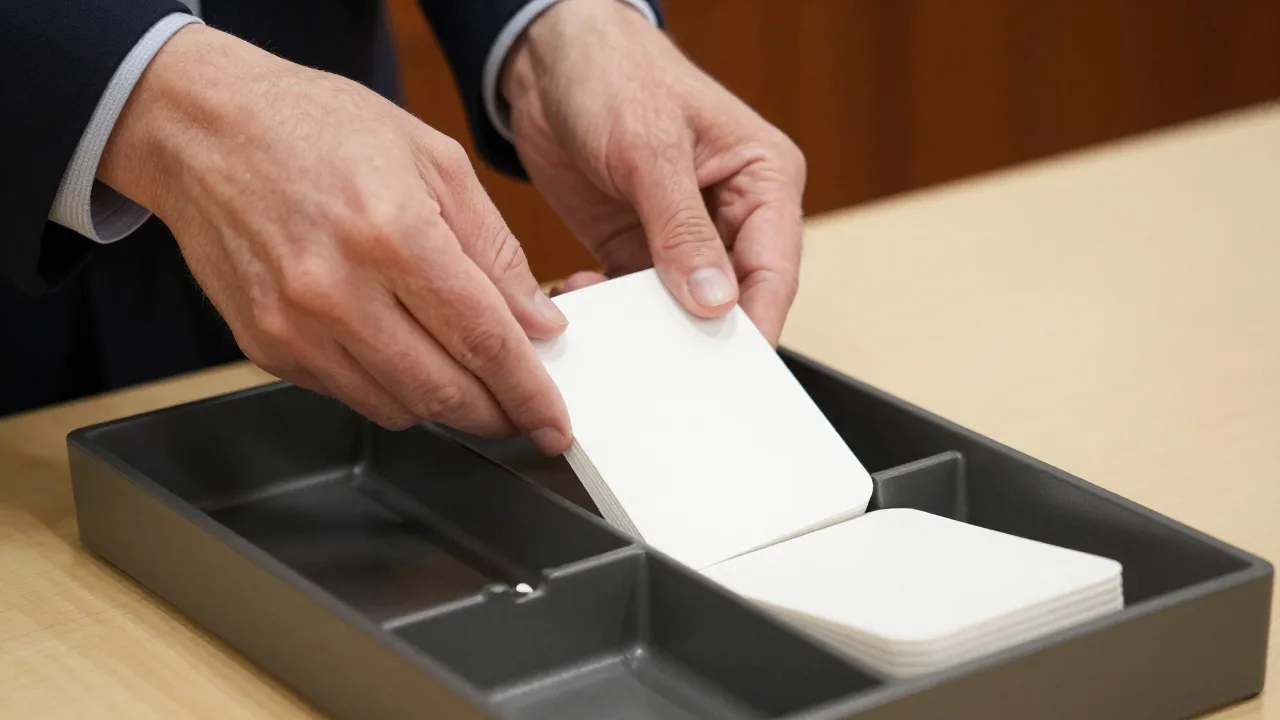
Count the charging rack tonight. Not a glance — an actual count. If you bought 30 pagers eighteen months ago, there is a good chance you will find 23 or 24 of them, and nobody in the building will be able to tell you when the others disappeared.
That is the shape of the problem. Pager loss almost never announces itself. There is no incident, no report, no moment where somebody says "we're down a unit." Instead the fleet erodes one coaster at a time across hundreds of shifts, and the first real signal is a Saturday night when the host runs out of pagers at 7:15 and starts writing names on a paper list.
And the erosion compounds in a way that is easy to underestimate. A 30-unit fleet at $55 per replacement is $1,650 of equipment. Lose 20 percent a year and you are spending $330 annually just to stand still — but that is the small number. The expensive part is what happens on the night you run short: parties get written on a clipboard, quotes get sloppy, the host stops trusting the queue, and walk-aways climb. A single busy Saturday of paper-list chaos can cost more in lost covers than three years of replacement pagers.
The good news is that this is one of the most fixable line items in the whole front of house. Loss is a process failure, not a fact of nature, and the fix costs nothing but discipline.
Where the Pagers Actually Go
Operators tend to assume theft. Interview enough front-of-house managers and a different picture emerges: the overwhelming majority of losses are accidental, and each channel has a specific countermeasure.
| Loss Channel | Roughly What Share | Why It Happens |
|---|---|---|
| Guest walk-off | Largest single bucket | Guest is seated, pockets or bags the coaster without thinking, walks out with it after the meal |
| Trash can | Substantial | Pager gets scraped off the table with napkins and paper during pre-bus |
| Bus tub and dish pit | Substantial | Rides out with plates, hits the soak sink, either drowns or gets discarded |
| Unreported damage | Moderate | Unit is dropped and cracked; reporting feels riskier than quietly losing it |
| Deliberate theft | Smallest | Souvenir-taking, mostly at concepts with branded or novelty units |
| Staff pockets and bags | Small but chronic | Host slips one into an apron mid-rush, it goes home in a jacket |
Read that table again with an eye toward remedies. Almost every channel is intercepted by the same two habits: taking the pager back at the moment of seating, and counting the rack at close. Neither requires new equipment.
The Real Cost of a 20 Percent Loss Rate
Let's put actual dollars on it, because "we lose a few pagers" does not motivate a change in the closing checklist. Assume replacement units at $55, which sits in the middle of the typical $40 to $70 range for standard coaster pagers.
| Fleet Size | Loss at 20%/yr | Annual Replacement Cost | Cost at 6%/yr | Annual Savings |
|---|---|---|---|---|
| 20 pagers | 4 units | $220 | $66 | $154 |
| 30 pagers | 6 units | $330 | $99 | $231 |
| 50 pagers | 10 units | $550 | $165 | $385 |
| 50 pagers × 6 locations | 60 units | $3,300 | $990 | $2,310 |
For a single restaurant those numbers look almost trivial — which is precisely why nobody fixes it. But two things make the real cost much larger than the table suggests.
First, replacement pagers are rarely bought in efficient quantities. Losing six units over a year means placing three or four small orders of one or two pagers, each with shipping, each at single-unit pricing. Restaurants that instead buy replacements in a planned annual batch pay materially less per unit — the same logic that drives the savings in bulk pager ordering.
Second, the operational cost dwarfs the hardware. When your effective fleet drops below your peak simultaneous wait, the host improvises. That is where the money actually leaks. Every operator who has run a peak Saturday on a paper list knows the pattern: quotes drift, parties get skipped, someone walks out. Protecting the fleet is really about protecting the queue, which is why this belongs in the same conversation as any other cost reduction that does not degrade the guest experience.
Why 20 Percent Became the Default
Here is the structural reason the number stays high: nobody owns the pager fleet. The host hands them out, the server seats the party, the busser clears the table, the dish crew sees them last, and the manager buys replacements. Five roles touch the asset and none of them is accountable for it. Compare that to how a restaurant treats its POS terminals or its wine key drawer — assets with a clear owner do not evaporate.
The second reason is that loss is invisible at the moment it occurs. A pager that leaves in a guest's coat pocket produces no signal at all. By the time anyone notices the gap, weeks have passed and the unit is unrecoverable. Contrast that with a missing bottle of liquor, which shows up on a variance report within days.
Fixing both problems requires the same thing: making the fleet visible and giving it an owner.
The Six-Step Loss Prevention Routine
None of this requires new hardware. It requires about ninety seconds a night and one decision about who is responsible.
- Number every unit permanently. Engrave, etch, or use a durable label on the underside — not a sticker that survives three dish cycles. Numbers should match what the base station displays.
- Map the charging rack. Label each slot with the number that belongs in it. When pager 14 is missing, the empty slot 14 is visible from six feet away. Unassigned racks hide gaps for months. A well-organized charging station layout does double duty here: it protects battery health and it turns the rack into an inventory board.
- Take the pager back at seating, out loud. The server or host says "I'll take that for you" as the guest sits. This one sentence closes the largest loss channel in the building. Make it part of the seating script, not an optional courtesy.
- Count at open and close. Two counts, ten seconds each with a mapped rack. Record the number and initials on the closing checklist. A gap found the same night is often recoverable from a bus tub; a gap found in March is gone.
- Give the fleet one owner per shift. Usually the closing host or the FOH manager. Ownership is what converts a nice idea into a habit.
- Make damage safe to report. Post a no-blame rule: a cracked pager handed to a manager gets replaced, no conversation. The moment reporting damage feels risky, staff start quietly disappearing units, and your loss number absorbs your breakage number.
Two Optional Add-Ons Worth Considering
Beyond the core routine, two measures earn their keep in specific situations. Custom branding — your logo on the coaster face — cuts accidental walk-offs because a branded unit reads as restaurant property rather than a generic disc, and it makes recovery easier when one turns up at the bar next door. Operators weighing that trade-off can see the economics in our guide to custom branded restaurant pagers. Exit signage at the door — a small, friendly "still holding our pager?" card — catches a surprising number of walk-offs at almost zero cost.
What generally does not work is a deposit. Holding cards, licenses, or cash at the host stand slows check-in, creates liability and privacy exposure, and opens the guest relationship on a note of suspicion. The loss it prevents is smaller than the friction it introduces.
Case Study: Copperline Grill, Nashville
Copperline Grill runs a 180-seat casual concept with weekend waits that routinely hit 45 minutes. Over two years they had purchased 58 pagers for a fleet that was supposed to number 40. A physical count in January turned up 31 units, nine of which had dead batteries or cracked housings. The general manager made three changes with no equipment spend: every pager was engraved with a number, the charging rack was labeled slot by slot, and "I'll take that for you" was added to the seating script and enforced for two weeks in pre-shift. A count line was added to the closing checklist with initials. Over the following twelve months the restaurant lost three pagers, against an expected eight at their prior rate — a drop from roughly 22 percent to about 7 percent. More importantly, they never again ran short mid-service, and the host stopped falling back to the paper list on peak Saturdays. Replacement spend fell from $412 to $165 for the year, and the manager described the paper-list nights disappearing as "worth far more than the pager money."
Common Mistakes
| Mistake | Why It Hurts | The Fix |
|---|---|---|
| Never counting the fleet | Loss is invisible until you run short mid-rush | Count at open and close, log it with initials |
| Unassigned charging slots | A gap is undetectable in an unmapped rack | Label every slot with its pager number |
| No hand-back at seating | Leaves the largest loss channel wide open | Add "I'll take that for you" to the seating script |
| Punishing reported damage | Staff hide breakage, inflating your loss rate | No-blame replacement policy, posted |
| Buying replacements one at a time | Highest per-unit price plus repeat shipping | Plan an annual replacement batch |
| Blaming guests for a process gap | Misdiagnoses the problem and fixes nothing | Treat loss as an FOH workflow issue with an owner |
When the Math Says Stop Owning Pagers
Run the routine for a quarter and re-measure. If your loss rate settles in the 5 to 8 percent range, owning your fleet is comfortably the cheapest option over a three to five year horizon, and the conversation is over. Our breakdown of renting versus buying pagers walks through the full comparison, and it is worth reviewing your warranty coverage at the same time, since a meaningful share of what operators record as "lost" is actually a failed unit that was still under warranty.
If, after honest effort, losses stay above 20 percent — which happens in high-turnover concepts, food halls, and venues with sprawling outdoor seating — a managed or rental fleet that bundles replacements starts to look reasonable. You are effectively buying insurance against a structural problem you cannot fully close. Just make sure you have genuinely tried the six-step routine first, because paying a rental premium to avoid a ninety-second closing task is an expensive way to skip a checklist.
Either way, the deeper fix is visibility. Once your paging is wired into the seating system rather than living on a standalone keypad, the software knows which pager went to which party and when it came back — and an unreturned unit surfaces on a report the same night instead of six weeks later. That is the practical case for treating notification as part of a managed waitlist workflow rather than as a box of disconnected hardware.
Stop Losing Pagers You Never Knew Were Gone
KwickOS logs every page against the party that received it, so an unreturned pager shows up on a report the same night — while it is still findable in a bus tub, not six weeks later when you run short mid-service.
See how KwickOS tracks guest paging →